

Among the many roof options available, aluminium composite roofing and polycarbonate roofs are two of the most popular choices. Each material has its own strengths and limitations, making it essential for homeowners to understand their differences before deciding which suits their needs best.
This article provides a detailed comparison of aluminium composite and polycarbonate roofing, examining key factors such as durability, weather performance, installation ease, and overall practicality. By the end, you’ll have a clearer understanding of which roofing option aligns best with your home’s requirements, budget, and design preferences.
Durability

When it comes to durability, aluminium composite roofing takes the lead. Made from two thin layers of aluminium enclosing a non-aluminium core, this material is designed to withstand various environmental stresses and ensures the durability of aluminium composite panel awnings. It also makes them resistant to corrosion—an essential feature in Singapore’s humid climate. Additionally, aluminium won’t warp or crack over time, ensuring that both roofs and awnings maintain their structural integrity for many years.
In contrast, polycarbonate roofs, while lightweight and versatile, may not offer the same level of durability. Although polycarbonate is impact-resistant, it can degrade under prolonged exposure to UV rays. Over time, this degradation may lead to yellowing or brittleness, which compromises both aesthetics and performance. While polycarbonate roofs may serve well in specific applications, understanding the pros and cons of polycarbonate roofs is essential, as they generally offer less longevity and resilience in challenging weather conditions.
Weather Performance
Weather performance is another critical factor when comparing these two roofing options. Aluminium composite roofing excels in this area, offering superior resistance to wind, rain, and UV rays. Its robust nature ensures that it remains intact during heavy storms, while its reflective properties help to reduce heat absorption, keeping homes cooler and more comfortable.
Polycarbonate roofs, while they can withstand light to moderate rain, may struggle under extreme weather conditions. Understanding how polycarbonate roofing protects your property from weather conditions is crucial, as heavy winds can cause the material to flex or even detach from its mounting, leading to potential leaks or water damage. Moreover, polycarbonate is less effective at managing heat, which can result in increased indoor temperatures during the hot days typical of Singapore’s climate.
Ease of Installation
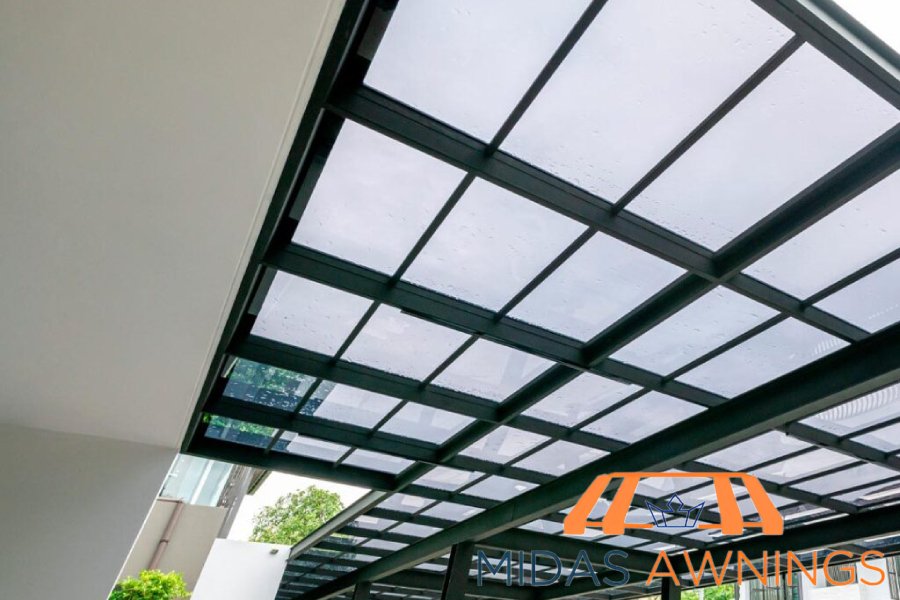
When evaluating roofing materials, ease of installation plays a crucial role in overall project costs and timelines. One of the key benefits of installing an aluminium composite panel awning for your property is its lightweight nature and modular design, which make installation straightforward and efficient. This allows for quicker assembly, helping contractors and homeowners reduce labor costs. Additionally, the panels can be customized to fit various architectural designs, making them a versatile and practical choice for any home.
On the other hand, polycarbonate roofs can be more challenging to install. Although they are also lightweight, their installation often requires specialized knowledge to ensure proper waterproofing and structural integrity. Misalignment during installation can lead to long-term issues, such as leaks or structural weaknesses. This is why hiring a professional for polycarbonate awning installation is essential, as experienced installers can ensure a secure and durable setup. However, this added expertise may also increase overall installation costs.
Maintenance

Maintenance is a crucial aspect of any roofing system, as it directly impacts the longevity and performance of the material. Aluminium composite roofing is known for its low maintenance requirements and is naturally resistant to mold and mildew—an important advantage in Singapore’s humid climate. One of the best practices for maintaining and cleaning your aluminium composite roofing is regular washing to remove dirt and debris, which is made easier by its smooth surface. With minimal upkeep, homeowners can ensure their roofs remain in excellent condition for years.
In contrast, polycarbonate roofs may require more frequent maintenance. They are prone to collecting dust and debris, which can lead to discoloration and reduced transparency over time. Regular cleaning is necessary to preserve their appearance and functionality, while periodic inspections can help identify any signs of wear or damage caused by UV exposure. Knowing and following the essential DIY cleaning and maintenance tips for polycarbonate roofs can help homeowners keep them in good condition and prevent the need for costly repairs or replacements.
Guaranteed Energy Savings
Energy efficiency is a growing concern for many homeowners, especially in a tropical climate like Singapore’s. One important thing to know before installing an aluminium composite panel awning is its ability to enhance energy savings through its reflective properties. The material reflects sunlight away from the home, reducing heat absorption and helping to maintain cooler indoor temperatures. This characteristic can lead to lower energy bills, as homeowners rely less on air conditioning to stay comfortable.
Polycarbonate roofs, while they provide some insulation, are generally less effective in this regard even for those who choose the right thickness for their polycarbonate roof for efficiency. This is because they tend to absorb heat, leading to higher indoor temperatures and increased reliance on cooling systems. Over time, this can result in significantly higher energy costs, making polycarbonate a less economical choice.
Noise Reduction
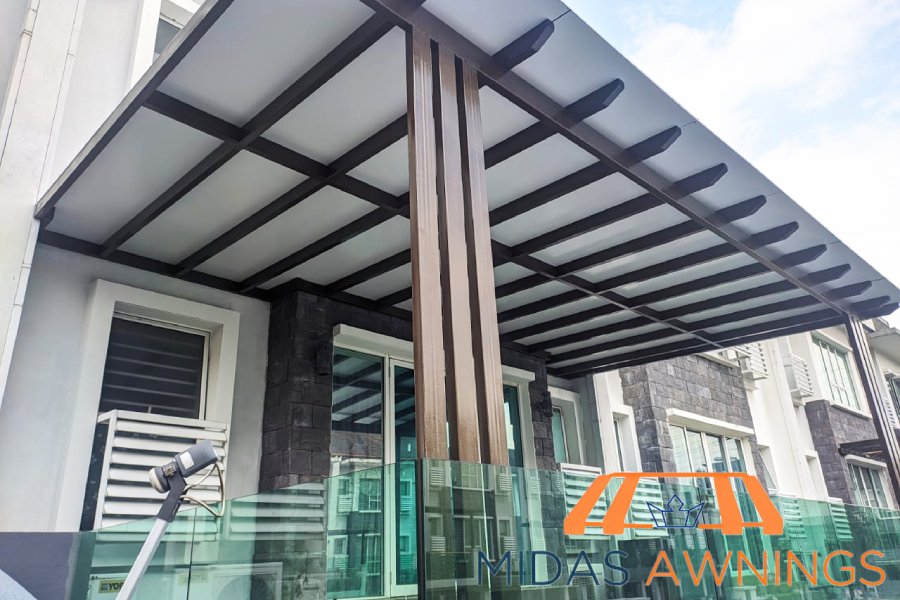
Noise reduction is another critical consideration when selecting roofing materials. One key difference between aluminium composite roofing and a fabric awning is that aluminium composite roofing provides a decent level of sound insulation, helping to minimize external noise from rain, wind, and urban environments. The layered design of aluminium composite panels can absorb sound waves, contributing to a quieter indoor atmosphere.
In contrast, polycarbonate roofs may not offer the same level of sound insulation. When considering how polycarbonate roofs perform during heavy rains and storms, it’s important to note that while they can dampen some noise, heavy rain or hail can create a louder impact on the surface. This can be particularly disruptive for homeowners seeking a peaceful living environment, especially in densely populated areas.
Longevity
Longevity is a crucial factor in determining the value of any roofing material. Aluminium composite roofing is known for its impressive lifespan, often lasting up to 50 years or more with proper care. Take note though that one reason you should not attempt DIY aluminium composite panel awning installation is that improper installation can compromise its durability, reducing its resistance to corrosion, warping, and UV degradation. When professionally installed, this material ensures long-term reliability, allowing homeowners to enjoy peace of mind knowing they have made a wise investment.
In contrast, polycarbonate roofs typically have a shorter lifespan, averaging around 10 to 20 years. One effective way to extend the lifespan of your polycarbonate roof is by using UV-resistant coatings and conducting regular inspections to address minor issues before they worsen. Factors such as UV exposure and temperature fluctuations can accelerate the degradation process. Consequently, homeowners may find themselves facing the prospect of replacing their roofs more frequently, leading to additional costs over time.
Fire Safety

Fire safety is an often-overlooked aspect of roofing material selection. Aluminium composite roofing is non-combustible and meets stringent fire safety regulations. When considering how much it costs to install aluminium composite panel awnings, it’s important to factor in not only the material and labor costs but also the added safety benefits. This characteristic provides homeowners with an extra layer of protection, especially in areas prone to wildfires or other fire hazards. The material’s ability to withstand high temperatures without igniting makes it a safer option for residential roofing.
A common misconception about installing a polycarbonate roof is that all polycarbonate sheets are highly fire-resistant. Polycarbonate roofs can be more susceptible to fire, as they are made from thermoplastic materials. While some polycarbonate products have fire-resistant properties, they may not offer the same level of protection as aluminium composite roofing.
Contact Midas Awnings Singapore for Professional Aluminium Composite Awning Services
If you’re considering installing aluminium composite roofing or aluminium composite panels for your Singapore home, professional expertise is essential to ensure a successful outcome. Contact Midas Awnings Singapore for high-quality aluminium composite awnings tailored to your specific needs. Our experienced team can guide you through the selection process, ensuring you choose the right materials for your home while providing expert installation services.
Conclusion
In the battle of aluminium composite roofing versus polycarbonate roofs, the former emerges as the superior choice for Singapore homeowners. With its durability, weather performance, energy savings, and fire safety features, aluminium composite roofing offers numerous advantages that align well with the region’s unique climate and architectural needs. While polycarbonate roofs may have some appealing qualities, their limitations in durability, maintenance, and longevity make them a less favorable option for those seeking a long-term investment.
Ultimately, investing in quality roofing not only enhances a home’s aesthetic appeal but also contributes to its overall value and comfort. To ensure proper installation and long-term durability, you should engage a professional to install awnings, as improper setup can lead to structural issues and maintenance problems. With the right information and professional guidance, homeowners can make informed decisions that will benefit them for years to come.
Midas Awnings Singapore is your go-to provider for superior awning solutions, offering a wide range of awning services for retractable awnings, awning roofs, and awning canopy to enhance your home’s functionality and aesthetics. Our skilled team ensures that our sliding awnings and ACP awnings provide versatility and convenience, so you can adapt seamlessly to Singapore’s weather conditions. We offer quality installation for different types of awnings including glass awnings, outdoor awnings, door awnings, and aluminium composite awnings. Whether you need window awnings to shield interiors, balcony awnings for shade, or durable polycarbonate awnings, our skilled professionals deliver exceptional results. Moreover, explore our premium cassette awnings, fixed awnings, robust polycarbonate roofs, and outdoor canopy for permanent shading solutions. For exceptional workmanship and unmatched customer service from Midas Awnings Singapore, contact us today via WhatsApp at +65 8241 0032 and transform your space with our top-tier awning solutions.
Last Updated on February 6, 2025