
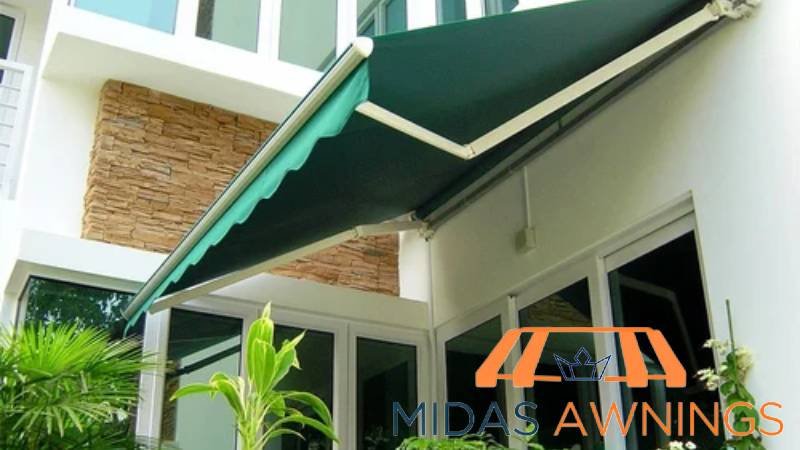
Awnings not only enhance the aesthetic appeal of homes and commercial spaces but also provide much-needed shade and comfort. Therefore, understanding the specific characteristics and features that make awnings suitable for humid climates is essential. This article will delve into the challenges of humidity, the key features that should be considered when selecting awnings, essential maintenance tips, and the importance of consulting professionals like Midas Awnings Singapore for expert services.
Humidity Challenges for Awnings
Mold and Mildew Growth Due to Constant Moisture Exposure
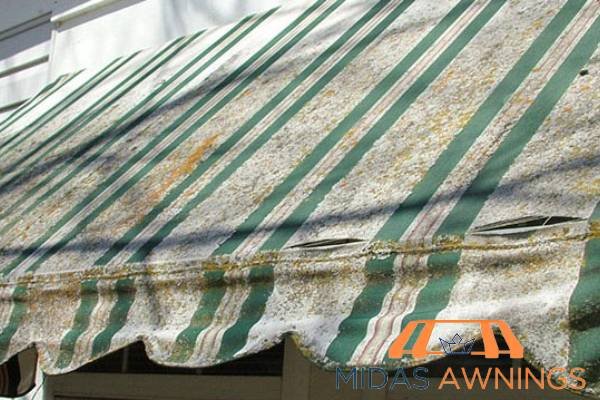
One of the primary challenges faced by awnings in Singapore’s humid climate is the propensity for mold and mildew growth. The constant moisture in the air creates an ideal environment for these fungi to thrive, particularly on fabric awnings. Over time, mold can become deeply embedded in the fabric, leading to unsightly stains and unpleasant odors. Thus, knowing how to prevent mold and mildew on your retractable awning is important to protect your investment and prevent any health risks.
Rust and Corrosion Affect Metal Parts Over Time
In addition to fabric deterioration, metal components of awnings are also susceptible to damage from humidity. Rust and corrosion are common issues that can compromise the structural integrity of metal awnings. This degradation can lead to costly repairs or replacements, making it crucial to select materials that are resistant to rust and corrosion. When maintaining and cleaning your metal awning, regularly remove dirt and debris, inspect for signs of rust, and apply protective coatings to extend its lifespan.
Fading and Weakening of Fabrics from UV Rays and Humidity
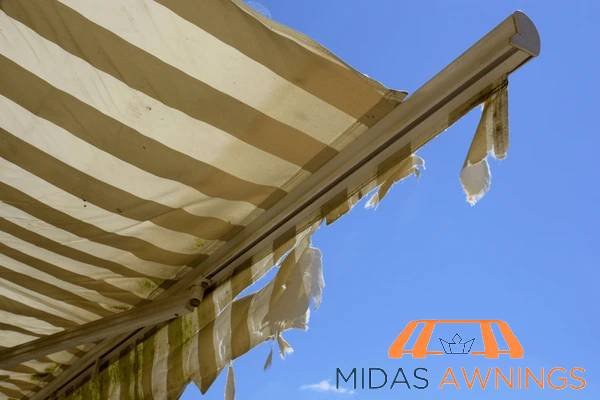
Fabrics used in awnings face dual threats from UV rays and humidity. The sun’s ultraviolet rays can cause fading, while high moisture levels can weaken the fabric fibers over time. This combination can lead to a shorter lifespan for fabric awnings and may necessitate frequent replacements. Therefore, choosing UV-resistant materials is essential to prolong the life of the awning while ensuring it retains its vibrant colors.
Structural Damage from Water Pooling on Awnings
Another issue that arises in humid climates is water pooling. When heavy rain occurs, water can accumulate on the surface of awnings if they are not properly designed for drainage. This pooling can lead to sagging, tears, and structural damage, significantly reducing the awning’s lifespan. One of the guidelines for DIY awning installation is to adjust the awning’s angle for appropriate slopes or drainage systems that can help mitigate this issue, ensuring water flows off and does not collect.
Increased Wear and Tear Compared to Less Humid Climates
Compared to regions with lower humidity levels, awnings in Singapore experience increased wear and tear. The constant exposure to moisture, coupled with high temperatures, accelerates deterioration. This makes it vital to choose a perfect awning for your home that is specifically engineered to withstand these conditions.
Cost of Frequent Repairs or Replacements in Tropical Environments
Maintaining awnings in a humid climate can come with significant financial implications, as frequent repairs or replacements due to wear and tear can add up over time. This underscores the importance of investing in high-quality awnings built to withstand Singapore’s climate. While the upfront cost may be higher, the long-term savings from reduced maintenance and fewer awning replacements make it a smart and worthwhile investment.
Key Features of Durable Awnings
Weather-Resistant Materials
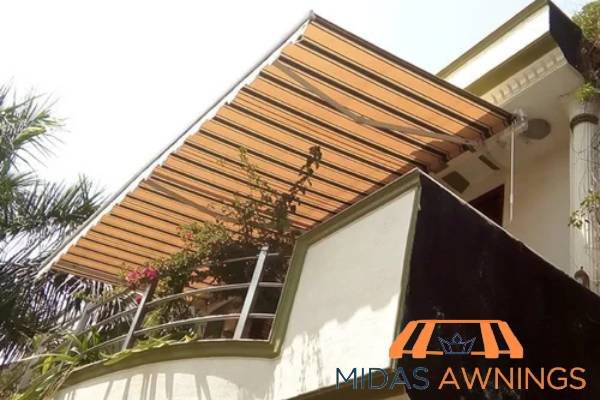
When choosing the perfect awnings for your property, one must prioritize weather-resistant materials. These materials are designed to withstand the rigors of a humid climate without succumbing to moisture damage. Look for fabrics that are specifically labeled as weather-resistant, as they will provide better protection against the elements. Additionally, materials that are inherently resistant to mold and mildew will reduce the need for frequent cleaning and maintenance.
Mold and Mildew-Resistant Coatings
Among the key features to look out for when choosing an awning is mold and mildew-resistant coatings. These coatings create a barrier that prevents the growth of fungi, making it easier to maintain the cleanliness of the awning. By choosing awnings with these additional protective features, homeowners and business owners can ensure their investment is safeguarded against the challenges posed by Singapore’s humid climate.
UV-Resistant Properties
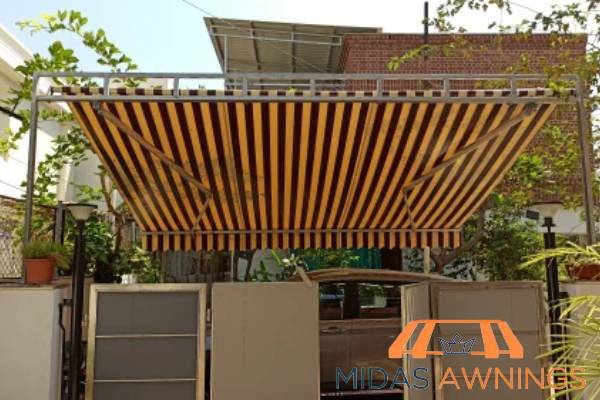
An important factor to consider when selecting awnings for commercial spaces is their UV-resistant properties. UV protection helps prevent fading and degradation, ensuring that the awning remains vibrant and functional for years to come. This is particularly important in a sunny region like Singapore, where the sun’s rays can be intense. Awnings with built-in UV resistance will not only look better for longer but also provide better protection from harmful UV radiation.
Waterproof or Water-Repellent Fabrics
Opting for waterproof or water-repellent fabrics is another key consideration when selecting awnings. The benefits of choosing a water-resistant fabric awning for your home are that these materials prevent water from soaking through, which is essential in a climate where sudden downpours are common. Waterproof fabrics will allow rainwater to bead off and roll away, reducing the risk of water pooling and subsequent structural damage. This feature is vital for maintaining the longevity of the awning and reducing maintenance needs.
Strong Corrosion-Resistant Frames
When it comes to the structural components of awnings, selecting frames made from corrosion-resistant materials is essential. Aluminum and stainless steel are excellent choices for frames, as they can withstand the effects of humidity and resist rust. These materials not only enhance the durability of the awning but also reduce the frequency of awning repairs, ensuring that the awning remains stable and secure over time.
Adjustable and Retractable Options
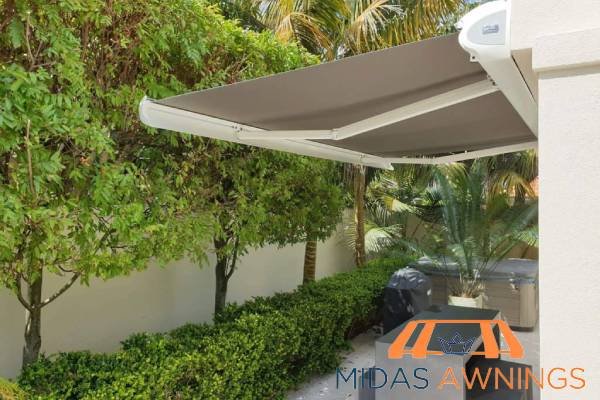
Consideration should also be given to the functionality of the awning. Adjustable and retractable options allow users to customize the amount of shade they receive throughout the day. This feature is particularly beneficial in a humid climate, where the sun’s position changes. Another benefit of installing retractable awnings is that they can be easily retracted during heavy rain or strong winds, providing additional protection and preventing potential damage.
Maintenance Tips for Awnings in Humid Climates
Regular Cleaning with Mild Detergent to Prevent Mold Buildup
To maintain the longevity of awnings in Singapore’s humid climate, regular cleaning is essential. Some simple tips to maintain a retractable awning include using a mild detergent solution; homeowners can gently wash the fabric to remove dirt, dust, and any potential mold buildup. It is advisable to clean the awnings at least twice a year, or more frequently if they are exposed to heavy rain or high humidity. Regular maintenance not only improves the appearance of the awnings but also prolongs their lifespan.
Inspecting for Damage and Addressing Issues Early
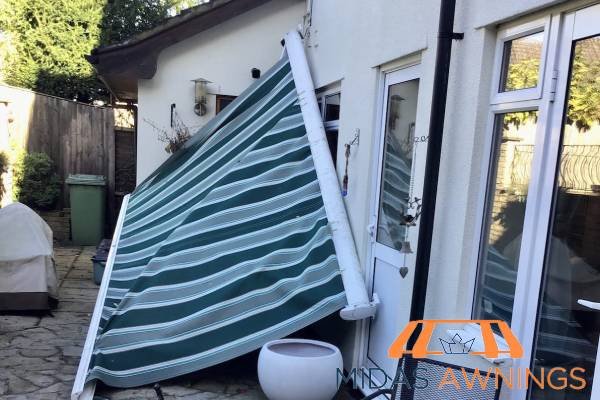
Routine inspections are critical for identifying potential issues before they escalate. If your awning has signs of tears, rust, or fading, it is a key indicator that your retractable awning needs repair. Addressing these problems early can prevent more extensive damage and costly repairs in the future. Regular inspections should include checking the fabric, frame, and retractable mechanisms to ensure everything is functioning as intended.
Lubricating Retractable Mechanisms to Ensure Smooth Operation
For retractable awnings, lubricating the mechanisms is crucial for ensuring smooth operation. The humid climate can lead to rust or grime buildup, which may hinder the retracting process. One useful expert tip for awning repair is to apply a silicone-based lubricant to the moving parts. Regular lubrication can prevent wear and tear on these components, extending the life of the awning.
Retracting Awnings During Severe Weather to Prevent Damage
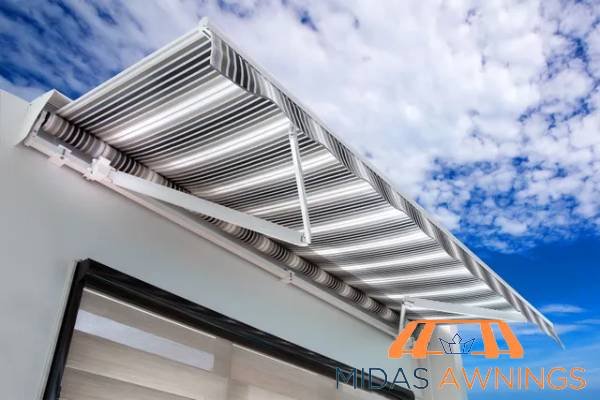
During severe weather events, it is advisable to retract awnings to prevent potential damage. High winds and heavy rain can stress the structure of a retractable awning, leading to tearing or bending. By retracting the awning during inclement weather, homeowners can protect their investment and ensure that it remains in good condition. This simple action can save time and resources in the long run by reducing the need for repairs.
Proper Storage of Portable Awnings During Off-Seasons
For those who use portable awnings, proper storage during the off-season is essential. Storing awnings in a dry, cool place protects them from moisture, mold, and mildew. Different awning fabric types may have specific storage requirements, so it’s important to follow the manufacturer’s guidelines. Before storing, ensure that the awning is clean and completely dry to prevent any potential damage. This practice will prolong the life of the awning and keep it in optimal condition for future use.
Scheduling Periodic Professional Inspections for Longevity
Finally, scheduling periodic professional inspections can help ensure that awnings remain in top condition. One thing to expect when working with a professional awning contractor is that they can conduct thorough checks, identify any hidden issues, and recommend solutions. Regular expert assessments can provide peace of mind and help homeowners avoid unexpected repair costs in the future.
Contact Midas Awnings Singapore for Professional Awnings Services
For those looking to invest in quality awnings that can withstand Singapore’s humid climate, reaching out to Midas Awnings Singapore is a good decision. Our team of professionals can assist in selecting the right materials, styles, and features tailored to individual needs. With a focus on durability and functionality, Midas Awnings ensures that clients receive the best solutions for their outdoor spaces.
Conclusion
Choosing the right awnings for Singapore’s humid climate requires careful consideration of various factors, including materials, functionality, and maintenance needs. By understanding the challenges posed by humidity and selecting awnings with key features designed to withstand these conditions, homeowners and business owners can make informed decisions.
Furthermore, regular maintenance and professional inspections play a critical role in ensuring the longevity of awnings. By investing in high-quality, durable awnings and adhering to maintenance best practices, individuals can enjoy the benefits of shade and protection for years to come. By engaging professionals to install awnings for your property, awnings can be seamlessly integrated into your home, enhancing both functionality and aesthetic appeal.
Midas Awnings Singapore is your premier choice for high-quality awning solutions in Singapore. We specialize in a diverse range of awning services, including retractable awnings, awning roofs, and awning canopy to enhance the functionality and aesthetic appeal of your space. With the expertise of our professionals in installing awnings, you can experience the adaptability and convenience of our ACP awnings and sliding awnings which are perfect for navigating Singapore’s changing weather conditions.
From glass awnings and outdoor awnings to door awnings and aluminium composite awnings, we have an extensive range of awning types tailored to meet your specific needs. Whether you’re looking for window awnings to protect your interiors, a balcony awning for a shaded retreat, or a durable polycarbonate awning, we deliver results that exceed expectations. Our collection also includes premium cassette awnings, and fixed awnings for those seeking a permanent shading solution. For a robust and versatile choice, consider our polycarbonate roofs and outdoor canopy selections as well. Trust Midas Awnings Singapore for superior workmanship and outstanding customer service. Contact us today via WhatsApp at +65 8241 0032 to enhance your space with our premium awning solutions.
Last Updated on February 21, 2025